Best Tools for In-App Guided Tours: Helping Users Get to First Value Faster
- March 14, 2026
- 0
A new user opening a SaaS product for the first time is carrying a specific kind of anxiety. They have made a decision to try this tool, to
A new user opening a SaaS product for the first time is carrying a specific kind of anxiety. They have made a decision to try this tool, to

A new user opening a SaaS product for the first time is carrying a specific kind of anxiety. They have made a decision to try this tool, to push it through procurement, to onboard their team, and they need early confirmation that the decision was correct. In-app guided tour tools exist to deliver that confirmation. When executed well, a guided tour compresses the time between “I signed up” and “I understand why this is valuable” from days to minutes.’
This guide covers the best in-app guided tour tools available for SaaS teams, what distinguishes effective product tour software from the kind users click through without retaining anything, and how to choose the right platform based on your product complexity and team structure.’
The goal of an in-app tour is not to show users every feature in the product. It is to get users to their first meaningful outcome as quickly as possible. That distinction matters because the failure mode for most product tours is trying to cover too much ground. A ten-step walkthrough that introduces the interface, the settings, the collaboration features, and the reporting dashboard before a user has done anything meaningful is more likely to induce fatigue than build confidence.’
Effective guided tours follow a tighter logic: identify the single most important action a new user needs to take to experience core product value, and build the tour around getting them there. Treat everything else as secondary, your team can deliver remaining guidance through contextual tooltips or onboarding checklists once the user hits that first win.
This philosophy, oriented around time-to-value rather than feature coverage, is what separates the best in-app guided tour tools from software that creates the illusion of onboarding without driving real activation.’
Product teams, not engineering teams, should own in-app guided tours. A tour that requires a developer to build, test, and update is a tour that will be outdated within two product releases. The best platforms offer visual, no-code builders that let product managers or customer success teams create and modify tours without touching the codebase. This independence is not a convenience feature — it is what makes tour content stay current.’
A tour that fires the moment a user first logs in treats everyone identically. A tour that fires when a user opens a specific section for the first time reaches users when they are most receptive. Behavioral triggering — based on user actions, feature visits, inactivity, or account attributes — makes guided tours feel relevant rather than interrupting. Look for platforms that allow multi-condition triggers, not just simple “on first login” rules.’
Not all users need the same tour. An admin configuring a workspace for a team of thirty needs different guidance than a team member who receives access to that workspace. Onboarding tools that support user segmentation allow product teams to build role-specific or persona-specific tours that feel tailored rather than generic. This principle holds for both enterprise rollouts and self-serve PLG products with multiple buyer types
Tours that disappear after a user skips a step create gaps. Tours with no progress indication make it unclear how much is left. The best in-app guided tour tools support clear progress indicators, the ability to resume a tour after interruption, and optional completion rewards or acknowledgments that mark the transition from “new user” to “activated user.”‘
The output metric for any tour is activation rate: the percentage of users who reach a defined state of first value after completing the guided experience. Tour platforms that cannot connect tour completion to downstream activation or retention data make it difficult to evaluate whether the tour is actually working. Look for platforms that allow custom success events to be defined and tracked in context.’
Appcues is one of the most widely used product tour platforms for mid-market SaaS teams. Its flow builder is visual and accessible for non-technical users, supporting modals, slideouts, hotspots, and full-screen tours. Segmentation by user attributes, account type, or behavior allows targeted delivery. A/B testing across different tour sequences gives product teams the ability to optimize flows based on completion and activation data. Appcues works particularly well for teams that want to iterate quickly on tour content without creating engineering backlog.’
Userflow has developed a following among SaaS growth teams for its speed of implementation and the quality of its checklist and tour components. Its guided tours support branching logic — allowing users to self-select their role or use case and receive a relevant tour path — which is valuable for products with distinct personas. Userflow also offers strong resource center capabilities, so the guided tour experience can connect seamlessly to a self-serve help experience after activation.’
Chameleon is designed for product teams that care deeply about visual fidelity. Its tour components are highly customizable, matching the branding and interface design of the host product more closely than most competitors. This matters for enterprise products where the onboarding experience needs to feel like a natural extension of the product rather than an overlay from a third-party tool. Chameleon also supports in-app surveys embedded within tour flows, which creates a feedback loop between guided experiences and product team insights.’
Pendo’s guides feature sits within its broader product analytics platform, which is its primary advantage: tour completion data and feature adoption analytics live in the same environment. For product teams that are already using Pendo for behavioral analytics, adding guided tours to the same platform eliminates the integration overhead of connecting separate tools. The trade-off is that Pendo’s guide builder is somewhat less accessible for non-technical users than Appcues or Userflow.’
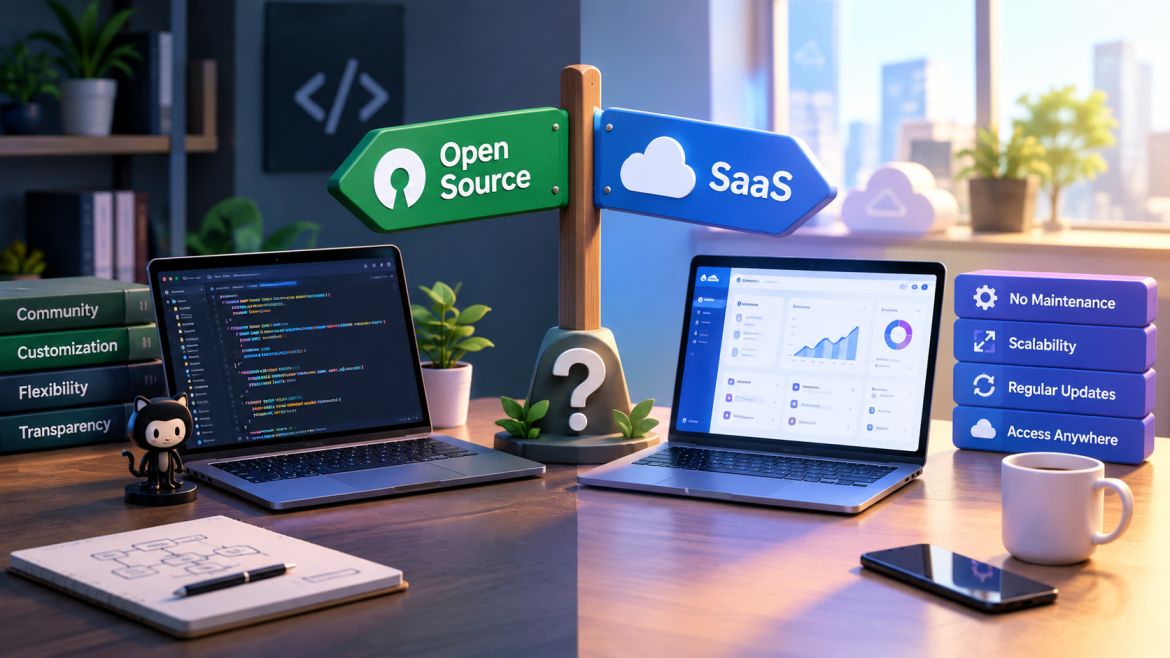
For teams with technical resources and tight budgets, open-source libraries like Intro.js allow custom product tours to be built within the application itself. The advantage is full control over design and behavior without a vendor dependency. The limitation is that every update to the tour requires developer time, which means tour content tends to age quickly relative to managed SaaS platforms. Open-source tour libraries work well for stable products with well-resourced engineering teams and less well for fast-moving products that need frequent onboarding updates.’
Guided tours are one component of an onboarding stack, not the entire stack. They work best in combination with onboarding checklists that persist after the initial tour, contextual tooltips that provide guidance later in the lifecycle, and in-app messaging that communicates feature updates and usage milestones. Teams building out their full PLG onboarding infrastructure should think about how the tour tool connects to the rest of the stack rather than treating it as a standalone solution.’
The feature adoption layer that follows initial activation, and why it requires its own tooling, is covered in our comparison of feature adoption tools. The two categories work together: tours drive initial activation, and adoption tools sustain engagement as users move deeper into the product.’
Self-serve SaaS products depend almost entirely on in-app tours to create their first impression. There is no sales rep to explain the value proposition and no customer success manager to walk users through setup. The tour carries the full weight of first activation and needs to be good enough to convert a skeptical user with no prior investment in the relationship.’
Sales-assisted products have more latitude. A customer success team can supplement or follow up on the in-app experience. But even in high-touch sales models, self-serve activation between customer touchpoints reduces the cost per activation and scales better than relying entirely on human-led onboarding. The best in-app guided tour tools serve both motions, and the platform choice should reflect which motion is primary for your product.’
The best in-app guided tour tools get users to first value without overwhelming them in the process. Appcues, Userflow, Chameleon, and Pendo each offer strong capabilities in tour building, segmentation, and activation analytics, with different strengths depending on your product complexity, team technical capacity, and existing tooling. The most important decision is not which platform has the most features, but which one your product team can use independently, update quickly, and tie directly to the activation outcomes that drive growth.’